
The No-Code Revolution: Empowering Managers to Build Their Own Tools
For decades, the ability to build business tools was a privilege reserved for IT departments and software engineers. If a manager needed a custom tracker for a specific project, they were often forced to wait months for development or resort to "making do" with rigid spreadsheets. Today, the no-code revolution flipped this script. By moving toward unified project management tools, non-technical leaders are now building high-performance applications that fit their team's specific workflows without writing a single line of code.
This shift isn't just about speed; it is about accuracy. No one understands a department's friction points better than the manager running it. When you remove the technical barriers, you allow those closest to the problems to build the solutions. Here is how no-code tools within a synchronized environment are turning managers into "citizen developers."
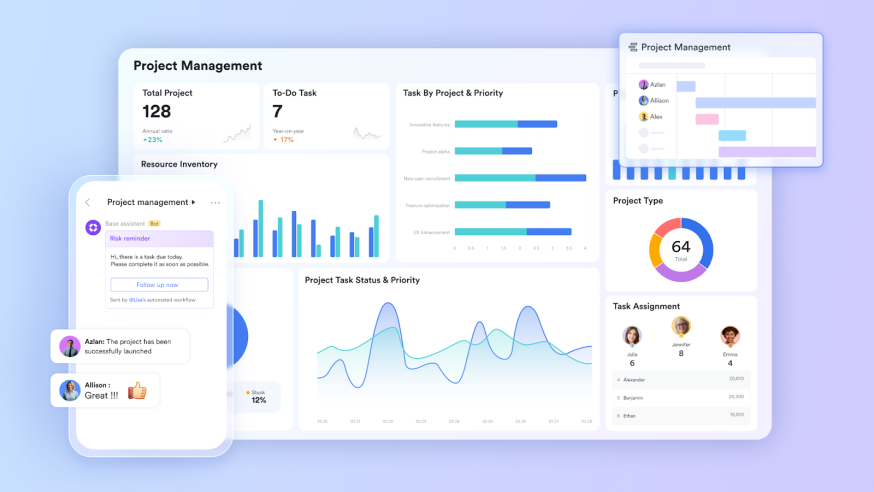
Lark serves as a project management software
Building dynamic workflows with Lark Base
The heart of the no-code movement is the transition from flat spreadsheets to relational databases. Lark Base allows managers to build sophisticated systems for tracking everything from inventory to recruitment pipelines. Unlike a traditional table, Base lets you link different data sets—for example, connecting a "Client List" to a "Project Tracker"—ensuring that an update in one place is reflected everywhere. Managers can create custom "Views" (such as Gantt charts or Kanban boards) that let different team members interact with the same data in ways that suit them best. With built-in dashboards and smart analysis, you can easily gain insights right from real-time data.
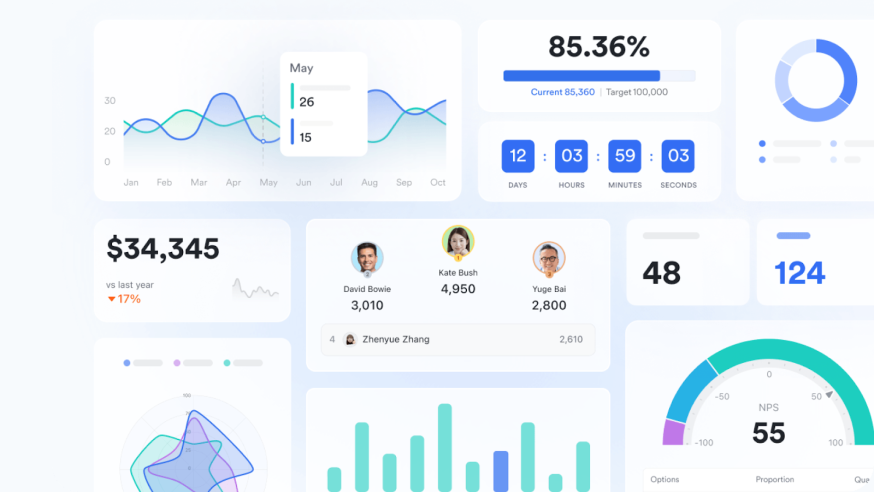
Lark Base
Automating the boring stuff with Lark Messenger
Automation is often seen as something complex, but in a unified hub, it becomes a simple matter of "if this, then that." Lark Messenger acts as the delivery system for these automations. A manager can set up a no-code trigger in Base that automatically sends a customized message to a specific chat group when a task is completed or a budget is exceeded. This removes the need for manual status checks and keeps the team informed in real time. Because these notifications happen within the same app where the team already communicates, they cut down on noise and ensure that the automation actually drives action rather than getting lost in an email inbox.
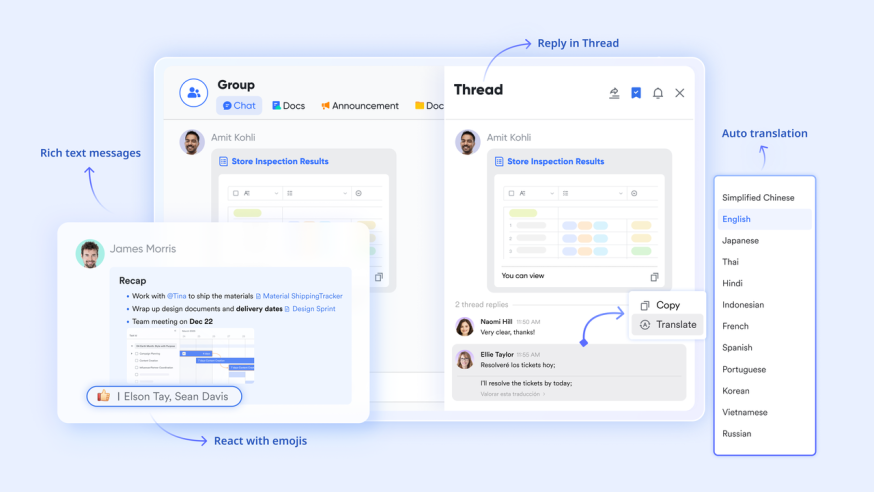
Lark Messenger
Creating self-service portals with Lark Wiki
A common struggle for managers is the constant barrage of repetitive questions. No-code management allows you to build "Self-Service Portals" using Lark Wiki, which acts as an automated concierge for your team. By structuring information in a searchable, inter-linked web of pages, you can build everything from onboarding paths to technical troubleshooting guides. These aren't static documents; they are interactive hubs that store documents in multiple formats, such as sheets, docs, bases, images, and more. Wiki-first approach allows managers to build a living knowledge base that grows and adapts as the team does, all through a simple drag-and-drop interface.
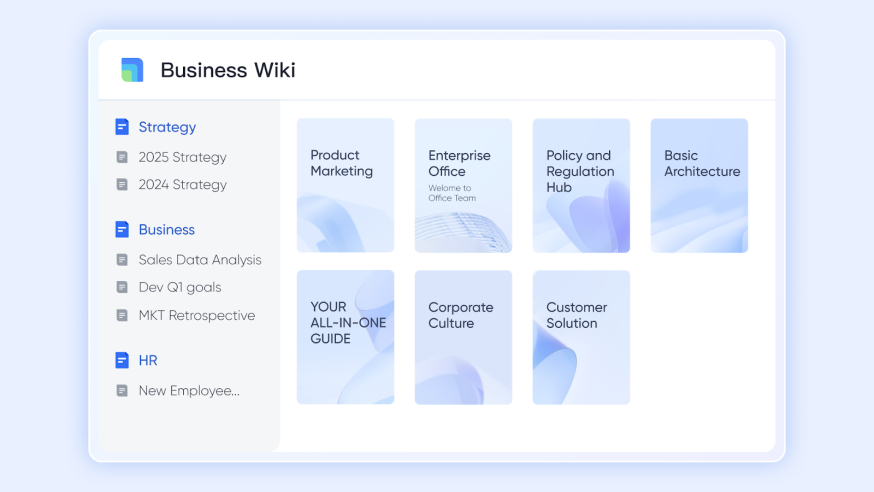
Lark Wiki
Standardizing data collection with Lark Forms
Building a tool is useless if the data entering it is messy. Lark Forms gives managers the power to build professional, logical data-entry points that feed directly into their custom systems. You can use conditional logic to ensure users see only the questions relevant to them, which drastically improves data quality. For a manager, this means the end of chasing people for missing information. Whether it is a customer feedback form or an internal hardware request, the data flows directly into your Lark Base, where it can trigger further automations or approval workflows instantly.
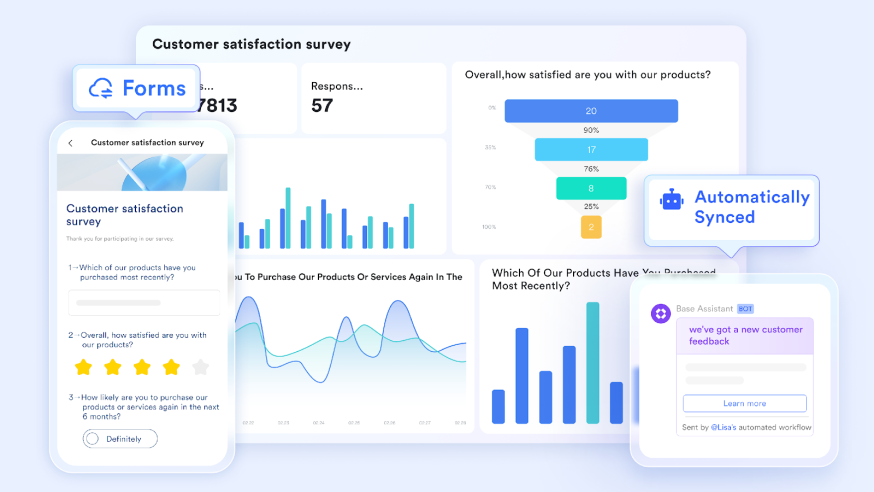
Lark Forms
Designing custom sign-off paths with Lark Approval
Every business has its own unique hierarchy for approvals, and hard-coded software rarely gets it right. Lark Approval empowers managers to design their own approval chains without needing a developer to map out the logic. You can build complex, multi-step paths—such as routing a travel request to a direct manager, then to finance, then back to the employee—all within a visual editor. These workflows live inside Messenger, so when an approval is needed, the stakeholder gets a notification and can sign off with one tap on their mobile device. This keeps the "administrative plumbing" of a department running smoothly without any manual oversight.
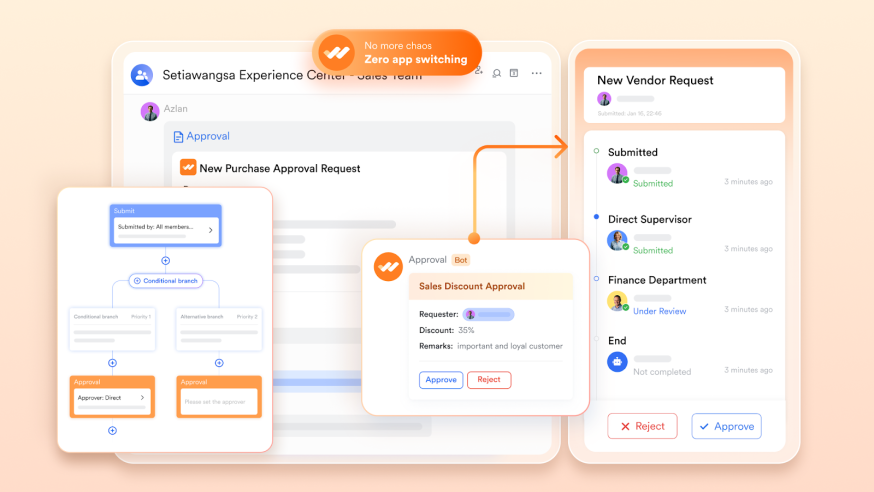
Lark Approval
Transforming meetings into action with Lark Minutes
No-code management even extends to how you handle spoken information. Lark Minutes allows managers to build a searchable library of every discussion, effectively turning meetings into a structured data asset. With AI Meeting Notes automatically generating transcripts, managers can create a system that instantly identifies and archives action items. This ensures that a meeting's "output" is no longer a vague memory, but a documented series of clear next steps. As one of the most powerful productivity tools in a manager's arsenal, Minutes ensures that no decision is ever lost in transition.
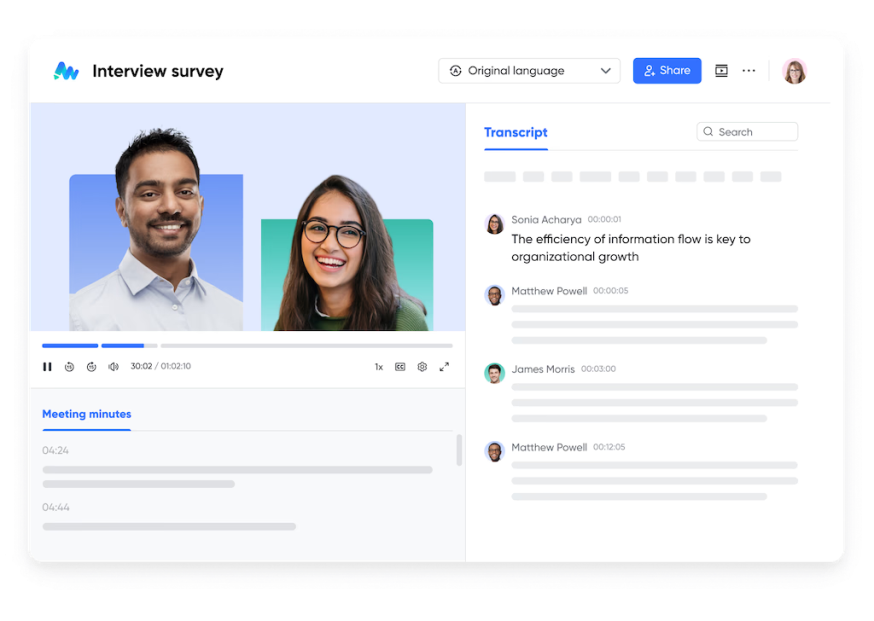
Lark Minutes
Bonus: Why using too many different apps blocks your team's creativity
When a manager wants to build a better way to track work, they usually start by looking at Google Workspace pricing to see if they can just use the basic spreadsheets and email, or they have to choose more expansive plans. But as the team grows, these simple tools often fall short. To fix the gaps, managers often start "patching" things together—using Slack for quick chats, Airtable for a better database, and Asana to keep track of tasks.
The problem is that these apps are like separate islands. Your team ends up spending a huge part of their day just moving info from one place to another. They might have to copy a client's request from a chat and paste it into a spreadsheet, or search through three different apps just to find one project update. This is a "hidden tax" on your time. You aren't just paying for several different monthly bills; you are paying for the hours your team loses acting as a "human bridge" between broken tools.
Lark fixes this by giving managers a powerful, no-code engine (Lark Base) that lives right inside their chat and document hub. When your custom trackers, automated forms, and team chats all live in one single home, you don't have to go on a "search and rescue" mission just to find an answer. You aren't just saving money on software; you are giving your leaders the power to build their own solutions in minutes, rather than waiting months for an IT expert to help.
Final thoughts
The no-code revolution is about more than just software; it is about autonomy. When managers have the tools to build their own systems, they stop being victims of their software and start being masters of their workflows. By moving into a single, synchronized environment and a modern set of productivity tools, you eliminate the silos that make no-code development difficult.
You aren't just giving your team better tools; you are giving them the power to build the exact environment they need to succeed. When your data and your dialogue live together, the path from "Problem Identified" to "Custom Solution Built" becomes a straight line.
Lees meer