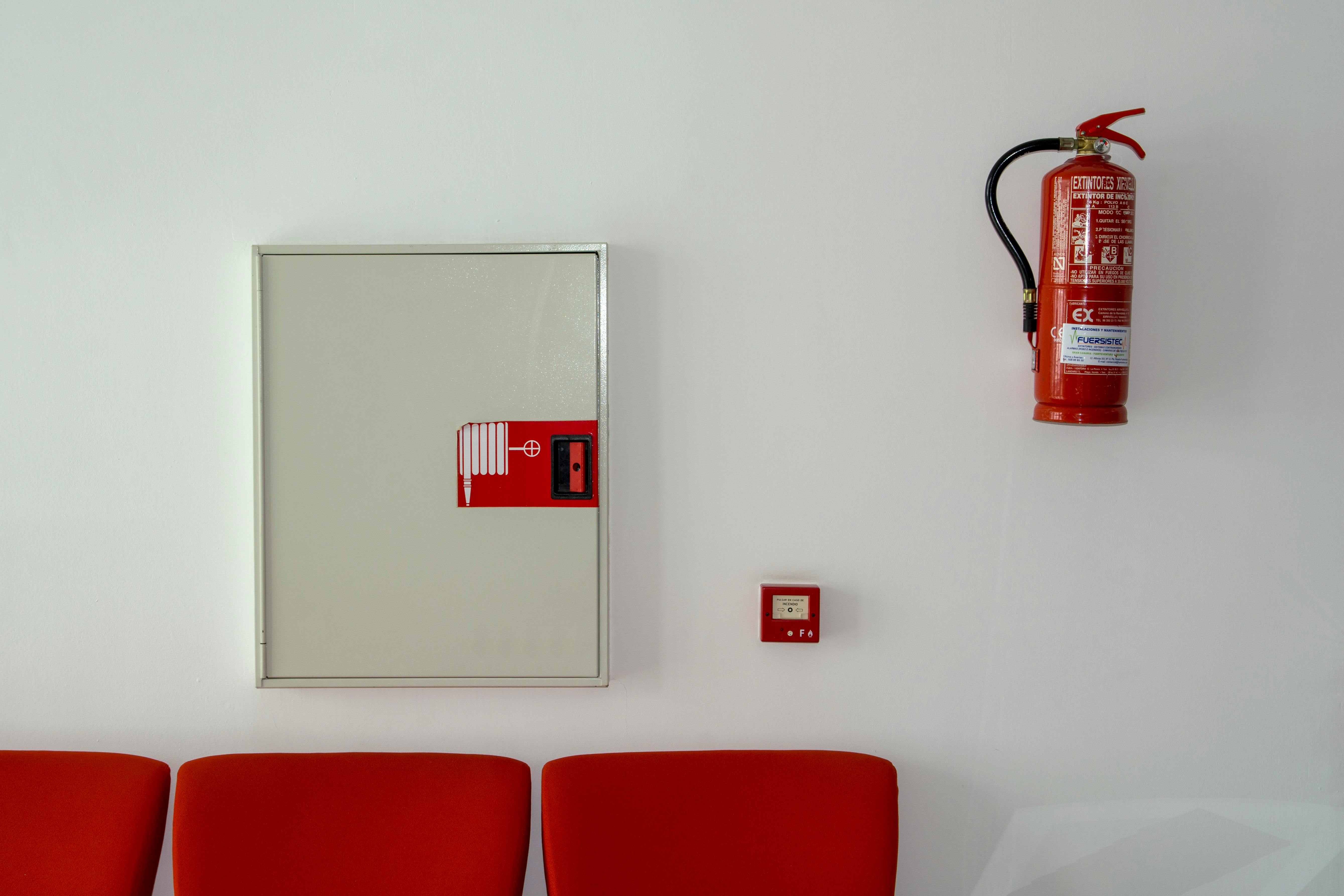

What often immediately brings peace: per location you have a clear overview, because actions, deadlines, and evidence are together. You see more quickly what is open, what is completed, and what belongs to which location. This way, it feels less like extra administration and more like a fixed routine that helps to miss nothing.
When Flamecontrol really adds something (and when less)
It adds value especially when the execution on the floor usually happens, but you also want to be able to substantiate it logically and quickly with administration and follow-up. You often recognize that by these kinds of signals:
- You have multiple locations and you want everyone to work with the same checklist and reporting format, so that there is one clear overview.
- Maintenance and checks have been done, but finding reports and evidence takes time or you have to approach multiple people.
- After a renovation, different storage, or a change in occupancy, you want to keep changes and follow-up together, so you can see more quickly if measures still fit.
- During an audit or inspection, you want to have planning, registrations, follow-up, and closure together, so you can immediately substantiate with a consistent set of documents.
Less suitable is it if you have a small location, few changes, and one person who already keeps everything consistently at one fixed place. Then you often get far with a simple routine that you maintain.
What you best organize in advance
Ownership per location
Per location, it works best if there is one clear overview point. If tasks, deadlines, and status are visible in one place, it remains clear who is responsible for what and what is still open. This reduces circulating questions and makes follow-up tighter. You can also find the current status more quickly.
Your basis on paper, without thick reports
You don’t need to make thick reports. What helps: a basis that you can grab in one go, without searching through separate files. Think of an overview of facilities per room, a maintenance schedule with who is responsible for what, registrations (checks, deviations, and follow-up), and agreements regarding evacuation and emergency response (who does what, how often do you practice, and where is it documented). When this is together, you can steer more quickly and answer questions faster.
Where it rubs: disadvantages and conditions
Internal discipline is often the first thing you notice. Working more centrally can initially feel like extra administration. That becomes smaller when you agree on a fixed routine: information comes in one place, stays updated there, and is also closed there. Then it becomes easier to follow the same line and be less dependent on personal working methods.
A second point is to standardize per location. That provides overview, but works best when the standard remains leading and exceptions are documented briefly and recognizably. Therefore, document deviations neatly alongside the standard (for example, a room with different storage or a deviating process), so that it remains verifiable for everyone what is different and why.
Finally: one point of contact provides overview, but continuity during absence or changes remains important. A central place helps because information does not remain stuck in someone’s head or mailbox. Actions continue and deadlines remain visible, even if someone temporarily drops out.
This way, you make the choice quickly, without endless processes
If you have multiple locations, regular changes in building use, or changes in emergency response or management, then one central way of planning, reporting, and follow-up usually provides the most time savings and the most overview. You reduce searching, double work, and loose lists.
If you have one location and little change, you often get far with one fixed inspection round, a maintenance calendar, and one central place for documentation. If you notice that you still have to search, that actions are left undone, or that you do not get a clear overview, then that is a practical signal that a central solution will add value. Test it small by starting with one location: then you will quickly notice if it really provides overview and if it fits into your work rhythm.